Stop Losing Money on Fuel: Set Exact Delivery Fees for Specific Postcodes

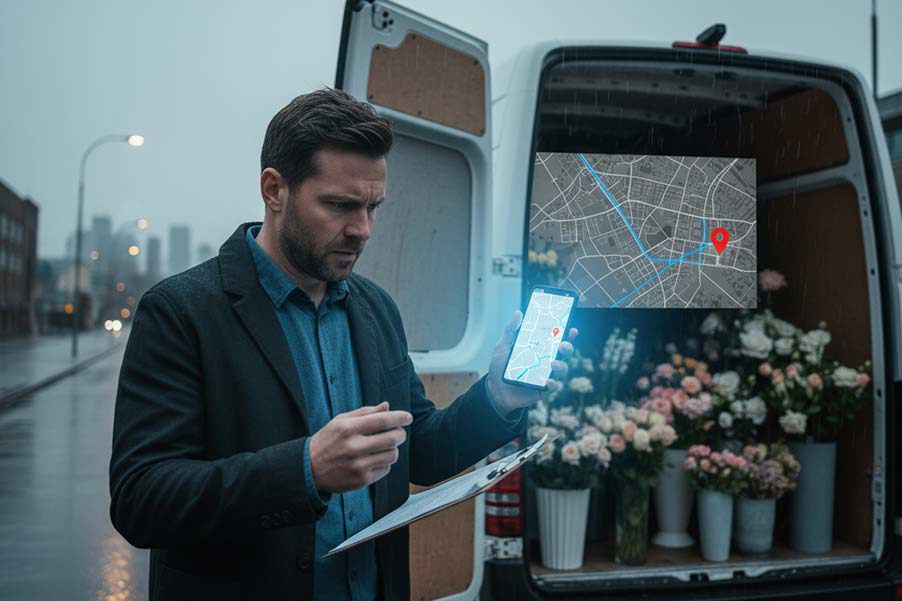
You load the delivery van. Rain pours down. You grab the next ticket and stare at the address. The customer ordered a sixty-dollar wrapped bouquet of seasonal tulips. They paid a flat ten-dollar delivery charge at checkout. You plug the address into your GPS and realize the destination sits forty-five minutes away, across two toll bridges, in the deep suburbs.
You just lost money on this order before you even turned the ignition key.
Gas costs money. Your driver’s hourly wage costs money. Vehicle wear and tear costs money. Commercial auto insurance costs money. When you rely on generic website platforms, you surrender control of these massive logistical expenses. You adopt a flat-rate delivery model that actively destroys your profit margins. To protect your bank account and your time, you must establish different delivery fees natively within your checkout process, charging exact amounts for specific postcodes.
The Financial Drain of the Flat Rate
Generic e-commerce platforms do not understand local geography. They assume you drop a cardboard box into the national mail system. Therefore, they offer simple, blunt shipping settings. Most florists default to a single, flat delivery rate just to get the website functioning quickly. This decision triggers a silent, daily financial bleed.
Subsidizing the Suburbs
If you set a flat fifteen-dollar delivery fee, you attempt to average out your costs. You hope the quick, five-minute drives subsidize the hour-long treks. This math rarely works in your favor.
Customers in distant postcodes recognize a bargain. They realize fifteen dollars represents an absolute steal for an hour of dedicated driving. They order from your shop frequently because your competitors charge them thirty dollars. You end up spending your entire afternoon burning expensive fuel to deliver low-margin arrangements. You effectively pay for the privilege of working. You wear down your tires, exhaust your driver, and drain your daily profits to service an area you never should have accepted at that price point.
Alienating Your Closest Neighbors
The flat rate also punishes your most loyal, local buyers. A customer who lives three blocks away from your studio balks at a fifteen-dollar delivery charge. They know the drive takes exactly two minutes. The fee feels extortionate to them.
They abandon their cart. They walk to a local grocery store instead. You lose the exact high-margin, low-effort orders you desperately need to sustain your business. A rigid pricing structure alienates the people right outside your front door while financially rewarding the distant buyers who cost you the most money to serve. You must balance the scales.
The "Honor System" Checkout Disaster
To avoid the flat-rate trap, some florists attempt a technical workaround using generic checkout tools. They build a dropdown menu on the cart page. They list three options: Local Delivery (10), Extended City Delivery (20) and Deep Suburb Delivery ($35). They rely entirely on the customer to select the correct option based on their own address.
Customers Always Pick the Cheapest Option
Buyers act in their own financial self-interest. A customer enters an address thirty miles away. They click the dropdown menu. They see the ten-dollar "Local Delivery" option. They select it without hesitation.
The generic website accepts the choice blindly. The system processes the credit card and sends you a congratulatory confirmation email. The software completely fails to cross-reference the typed address with the selected fee. It assumes the customer told the truth.
The Awkward Apology Call
Now you face a terrible operational choice. You must absorb the twenty-five-dollar difference, instantly destroying the profit margin on the arrangement. Or, you must pick up the telephone and make an incredibly awkward call to the buyer.
You must explain the error. You must demand more money from a frustrated buyer who thought they already completed the transaction. They argue with you. They claim your website confused them. They cancel the order out of spite. They leave a negative review on Google. You waste a full hour of your day managing conflict and issuing refunds instead of designing flowers. You cannot run a premium brand by begging customers for gas money after the sale.
Mastering Geography with Postcode Rules
You fix this chaos by forcing the software to do the math for you. You need a specialized digital storefront that calculates logistics based on hard data, completely removing the customer's ability to guess or cheat the system.
Charging for Actual Distance and Time
A native floral platform allows you to upload a precise list of postcodes or zip codes. You assign an exact dollar amount to every single code. You map out your territory intelligently and ruthlessly.
You establish a tight, ten-dollar zone for your immediate neighborhood. You build a twenty-dollar tier for the wider city limits. You dictate a thirty-five-dollar fee for the distant, traffic-heavy suburbs.
When a buyer reaches your checkout page, they must type their exact delivery address first. The system reads the postcode. It instantly matches that code to your hidden rules. It applies the correct, non-negotiable delivery fee to the final total before the buyer ever sees the credit card field. The customer cannot argue. They cannot bypass the rule. You secure the exact funds needed to cover the drive, every single time.
Blocking Unprofitable Zones Entirely
Sometimes, specific areas simply cost too much to service, regardless of the fee you charge. A specific postcode might cover a dense downtown area with zero parking, forcing your driver to risk expensive parking tickets just to drop off a vase. Another postcode might sit at the end of a long, unpaved rural road that damages your van's suspension.
Advanced postcode logic allows you to draw strict boundaries. If a customer enters a postcode that falls outside your approved list, the system politely stops them. It displays a clear message stating that delivery remains unavailable for that specific address. You eliminate out-of-bounds orders entirely. You stop wasting time reviewing impossible delivery requests. You guard your driver's time and your vehicle's health fiercely.
Grouping Routes for Holiday Efficiency
When you organize your system by postcodes, you unlock massive efficiency during peak holidays like Valentine's Day or Mother's Day.
You print your order tickets. Because the system captured the exact postcodes natively, you easily sort the tickets into distinct geographical piles. You hand your driver a stack of deliveries entirely confined to one specific zip code. They drive to that neighborhood once, execute ten drop-offs in a tight radius, and return to the studio. You eliminate the chaotic, zigzagging routes that waste hours of time. You maximize your daily output simply by organizing your data correctly at the point of sale.
Build a Profitable Logistics Engine
Your delivery van acts as a mobile extension of your studio. It represents a massive line item on your monthly budget. You must treat your logistics with the same financial rigor you apply to your wholesale flower purchases. You cannot afford to guess your fuel costs, and you cannot afford to let your customers dictate your pricing.
Stop fighting with generic e-commerce carts that fail to grasp the complexities of local routing. Stop making awkward phone calls to demand the correct delivery fee. Upgrade your technology to match the physical reality of your local business. Define your boundaries clearly. Upload your exact postcode rules. Let the software calculate the correct fees automatically. When you command your logistics natively, you protect your profit margins, pay your drivers fairly, and build a highly sustainable floral brand.